हाँ, एक 13 Ch डिकोडिंग AV रिसीवर 2026 में अधिकांश होम थिएटर मालिकों के लिए फायदेमंद है। यह अपग्रेड आपके कमरे को 3D साउंडस्टेज में बदल देता है। हालाँकि, यह हर सेटअप के लिए प्लग-एंड-प्ले नहीं है। पैसे खर्च करने से पहले आपको पांच विशिष्ट शर्तों पर व्यक्तिगत ऑडिट करना होगा।
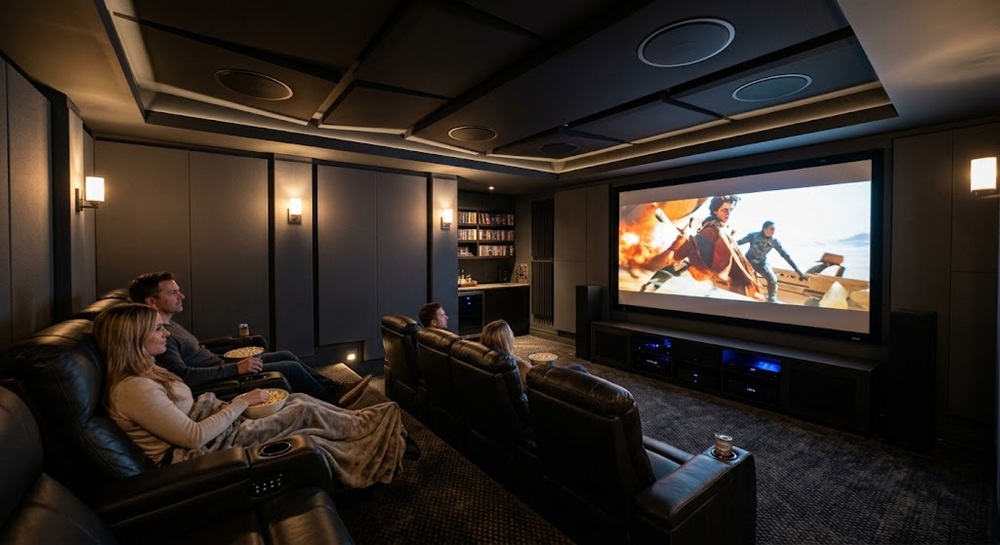
आपको 2026 में अधिकांश होम थिएटर सेटअप के लिए Atmos एम्पलीफायर निवेश के लायक लगेगा। यह तकनीक एक त्रि-आयामी ध्वनि क्षेत्र बनाती है। आप हेलीकॉप्टरों को ऊपर से उड़ते हुए सुनते हैं। बारिश ऊपर से गिरती है। अनुभव वास्तविक लगता है।
आधुनिक रिसीवर अब 13 चैनलों की डिकोडिंग का समर्थन करते हैं। यह क्षमता अत्यधिक लागत के बिना इमर्सिव ऑडियो प्रदान करती है। आप पारंपरिक सराउंड साउंड की तुलना में एक महत्वपूर्ण अपग्रेड प्राप्त करते हैं।
आपको कुछ शर्तों के तहत इस अपग्रेड को छोड़ देना चाहिए। इन सामान्य कारणों पर विचार करें:
यदि इनमें से कोई भी स्थिति आपके सेटअप का वर्णन करती है, तो अपने पैसे बचाएं। जब आप अपग्रेड करने का निर्णय लेते हैं तो एक Tonewinner रिसीवर एक बेहतर रास्ता प्रदान करता है।
हाइट चैनल की चुनौती
Atmos हाइट चैनल आपकी छत से ध्वनि को ऊपर या नीचे की ओर फायर करते हैं। यह डिज़ाइन उन ओवरहेड प्रभावों को बनाता है जो इमर्सिव ऑडियो को परिभाषित करते हैं। आपकी छत आपके साउंड सिस्टम का एक सक्रिय हिस्सा बन जाती है। एक सपाट, परावर्तक सतह ध्वनि को सटीक रूप से आपकी सुनने की स्थिति तक उछालती है। एक कोण वाली या गुंबददार छत उन प्रतिबिंबों को बिखेर देती है। आप वह सटीकता खो देते हैं जो Atmos को सम्मोहक बनाती है।
कोई भी एम्पलीफायर खरीदने से पहले आपको अपनी छत को मापना चाहिए। नीचे दी गई तालिका हाइट चैनल प्रदर्शन के लिए 2026 के मानकों को दर्शाती है।
|
आवश्यकता |
विनिर्देश |
|
छत का सपाटपन |
सपाट होना चाहिए — कोण वाली या गुंबददार नहीं |
|
छत की सामग्री |
ध्वनिक रूप से परावर्तक (जैसे, ड्राईवॉल, प्लास्टर, दृढ़ लकड़ी, या अन्य कठोर, गैर-ध्वनि-अवशोषित सामग्री) |
|
स्वीकार्य छत ऊंचाई सीमा |
7.5 से 14 फीट (2.3 से 4.3 मीटर) |
|
आदर्श छत ऊंचाई सीमा |
7.5 से 12 फीट (2.3 से 3.66 मीटर) |
आप 7.5 और 12 फीट के बीच एक सपाट छत के साथ आदर्श स्थितियों को पूरा करते हैं। ड्राईवॉल और प्लास्टर अच्छी तरह से काम करते हैं। ये सामग्रियां ध्वनि को कुशलतापूर्वक परावर्तित करती हैं।
आप अभी भी वॉल्टेड सीलिंग या आदर्श सीमा से बाहर के कमरे के साथ Atmos का आनंद ले सकते हैं। आपके सामने और पीछे के स्पीकर पर रखे गए अप-फायरिंग स्पीकर एक समाधान प्रदान करते हैं। ये मॉड्यूल आपकी छत से ध्वनि को एक कोण पर उछालते हैं। इसका प्रभाव समर्पित ओवरहेड स्पीकर की तुलना में कम सटीक महसूस होता है। आप ड्राईवॉल को काटे बिना ओवरहेड उपस्थिति प्राप्त करते हैं।
एक Tonewinner रिसीवर दोनों सेटअप को समान आसानी से संभालता है। इन-बिल्ट कैलिब्रेशन सॉफ़्टवेयर आपके विशिष्ट कमरे के लिए हाइट चैनल टाइमिंग को समायोजित करता है। आपको अपनी छत के आकार की परवाह किए बिना अनुकूलित ओवरहेड ऑडियो मिलता है।
पावर और चैनल चेकलिस्ट
आपके स्पीकर को 13 Ch डिकोडिंग AV रिसीवर के आउटपुट से मेल खाना चाहिए। आपको अपने लेआउट में प्रत्येक स्पीकर के लिए पर्याप्त चैनलों की आवश्यकता है। 7.2.4 सेटअप के लिए एम्प्लीफिकेशन के तेरह अलग-अलग चैनलों की आवश्यकता होती है। प्रत्येक चैनल को आपके कमरे के आकार के लिए पर्याप्त वाट क्षमता प्रदान करनी चाहिए।
|
कमरे का आकार (वर्ग फीट) |
प्रति चैनल अनुशंसित न्यूनतम वाट |
|
200 से कम |
50–100 |
|
200–500 |
80–150 |
|
500+ |
100–150 |
आपको अपने स्पीकर इम्पीडेंस की जांच करनी चाहिए। अधिकांश होम थिएटर स्पीकर 4 या 8 ओम पर चलते हैं। 13 Ch डिकोडिंग AV रिसीवर को बिना किसी तनाव के दोनों रेटिंग को संभालना चाहिए। खरीदने से पहले पावर सप्लाई रेटिंग की जांच करें।
आपके वर्तमान रिसीवर में Atmos के लिए चैनलों की कमी हो सकती है। कई पुराने मॉडल सात चैनलों तक सीमित हैं। आप अतिरिक्त एम्प्लीफिकेशन के बिना हाइट स्पीकर नहीं जोड़ सकते। आपके स्पीकर को आपके रिसीवर द्वारा प्रदान की जाने वाली शक्ति से अधिक शक्ति की आवश्यकता हो सकती है। एक कमजोर एम्प्लीफायर उच्च वॉल्यूम पर ध्वनि को विकृत कर देता है। यह विकृति इमर्सिव अनुभव को खराब कर देती है।
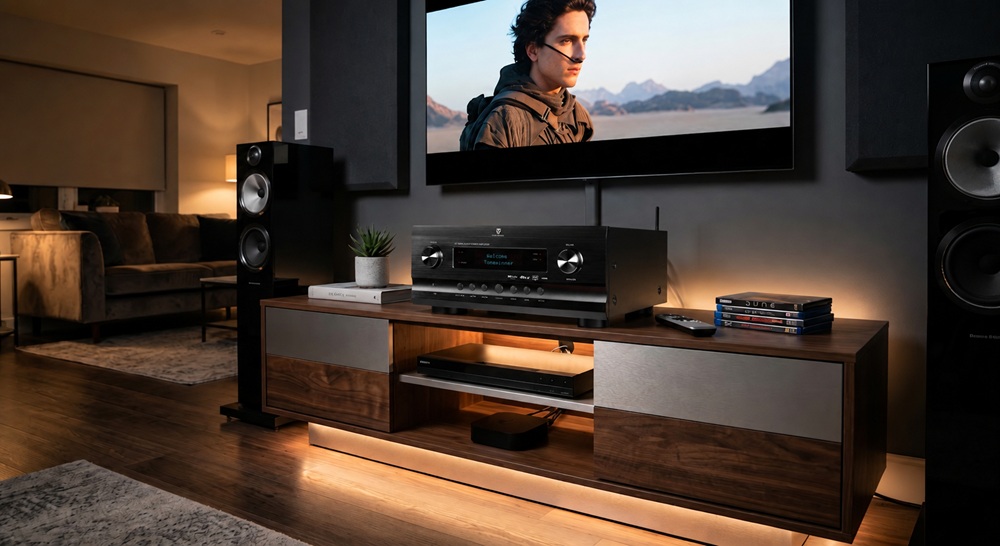
Tonewinner ऐसे रिसीवर बनाता है जो इन संगतता समस्याओं को हल करते हैं। उनके 13 Ch डिकोडिंग AV रिसीवर मॉडल सभी चैनलों पर स्थिर पावर प्रदान करते हैं। आपको हर वॉल्यूम स्तर पर स्पष्ट ऑडियो मिलता है। इन-बिल्ट कैलिब्रेशन सिस्टम स्वचालित रूप से आपके स्पीकर से मेल खाता है। आप मैन्युअल सेटअप के अनुमान से बचते हैं। Tonewinner 4-ओम और 8-ओम दोनों स्पीकर का समर्थन करता है। इस लचीलेपन का मतलब है कि आप अपने मौजूदा स्पीकर रख सकते हैं। आप अपने पूरे सिस्टम को बदले बिना अपने रिसीवर को अपग्रेड करते हैं।
एक शक्तिशाली एम्प्लीफायर कमजोर स्रोत सामग्री की भरपाई नहीं कर सकता है। आपको Dolby Atmos में मिश्रित कंटेंट की आवश्यकता है। इसके बिना, आपके हाइट चैनल शांत रहेंगे। आपके निवेश का कोई लाभ नहीं मिलता है। खरीदने से पहले अपने कंटेंट स्रोतों की जांच करें।
स्ट्रीमिंग सेवाएं अब सैकड़ों Atmos शीर्षक प्रदान करती हैं। Netflix अधिकांश मूल श्रृंखलाओं पर Atmos शामिल करता है। Disney+ मार्वल, स्टार वार्स और पिक्सर फिल्मों के लिए Atmos प्रदान करता है। Apple TV+ लगभग हर शीर्षक पर Atmos प्रदान करता है। Apple Music और Tidal हजारों Atmos संगीत ट्रैक प्रदान करते हैं। एक Tonewinner रिसीवर इन सभी प्रारूपों को बिना किसी समस्या के डिकोड करता है। आप एक ही सब्सक्रिप्शन के साथ पूरी लाइब्रेरी तक पहुंच प्राप्त करते हैं।
सभी Atmos एक जैसे नहीं सुनाई देते। गुणवत्ता आपके स्रोत पर निर्भर करती है।
|
पहलू |
स्ट्रीमिंग |
फिजिकल मीडिया |
|
ऑडियो कोडेक |
Atmos के साथ Dolby Digital Plus |
Atmos के साथ Dolby TrueHD |
|
बिटरेट |
448–768 kbps |
18 Mbps तक |
|
ध्वनि की गुणवत्ता |
अच्छी, हल्के कम्प्रेशन के साथ |
लॉसलेस रेफरेंस गुणवत्ता |
|
सुविधा |
त्वरित पहुंच, कोई डिस्क नहीं |
Blu-ray प्लेयर की आवश्यकता है |
स्ट्रीमिंग Atmos स्पष्ट ओवरहेड प्रभाव और संवाद प्रदान करती है। फिजिकल मीडिया बिना किसी समझौते के ऑडियो प्रदान करता है। आप पूर्ण डायनेमिक रेंज और विवरण का अनुभव करते हैं। एक Tonewinner रिसीवर दोनों स्रोतों को समान सटीकता के साथ संभालता है। इसके उच्च-प्रदर्शन वाले DACs संकुचित (compressed) और लॉसलेस Atmos के बीच का अंतर स्पष्ट करते हैं।
आप Atmos एम्पलीफायर पर $500 से लेकर $5,000 से अधिक तक खर्च कर सकते हैं। प्रत्येक मूल्य स्तर प्रदर्शन का एक अलग स्तर प्रदान करता है। नीचे दी गई तालिका दर्शाती है कि आपको प्रत्येक स्तर पर क्या मिलता है।
|
स्तर |
मूल्य सीमा |
आपको क्या मिलता है |
|
एंट्री-लेवल |
$500–$1,000 |
7–9 चैनल, बुनियादी रूम करेक्शन, HDMI 2.0 |
|
मिड-रेंज |
$1,000–$2,500 |
11–13 चैनल, उन्नत कैलिब्रेशन, HDMI 2.1 |
|
हाई-एंड |
$2,500+ |
13+ चैनल, प्रीमियम DACs, पूर्ण 8K सपोर्ट |
एंट्री-लेवल रिसीवर 5.1.2 सेटअप को अच्छी तरह संभालते हैं। मिड-रेंज मॉडल पूर्ण 7.2.4 लेआउट को अनलॉक करते हैं। हाई-एंड इकाइयाँ रेफरेंस-ग्रेड घटक और अतिरिक्त हेडरूम जोड़ती हैं। Tonewinner मिड-रेंज स्तर में मजबूती से प्रतिस्पर्धा करता है। आपको फ्लैगशिप कीमतों के एक अंश पर 13-चैनल डिकोडिंग और आधुनिक कनेक्टिविटी मिलती है।
80/20 नियम सीधे Atmos अपग्रेड पर लागू होता है। आप अधिकतम खर्च के 20% के साथ प्रदर्शन लाभ का 80% प्राप्त कर लेते हैं। एक मिड-रेंज Tonewinner रिसीवर मुख्य इमर्सिव अनुभव प्रदान करता है। आप ओवरहेड प्रभावों को स्पष्ट रूप से सुनते हैं। संवाद स्पष्ट रहता है। बास टाइट और नियंत्रित महसूस होता है।
हाई-एंड मॉडल परिष्कार जोड़ते हैं। आप थोड़ा कम डिस्टॉर्शन और मामूली रूप से बेहतर चैनल सेपरेशन प्राप्त करते हैं। ये सुधार उपचारित (treated), समर्पित कमरों में मायने रखते हैं। अधिकांश लिविंग रूम में यह अंतर पता नहीं चलेगा। अपना पैसा पहले स्पीकर और रूम ट्रीटमेंट में लगाएं। एम्पलीफायर को सबसे अंत में अपग्रेड करें। यह रणनीति हर डॉलर पर आपके रिटर्न को अधिकतम करती है।
HDMI 2.1 वह बैंडविड्थ प्रदान करता है जिसकी आपके सिस्टम को अनकंप्रेस्ड Atmos के लिए आवश्यकता होती है। यह मानक 120Hz पर 4K और 60Hz पर 8K का समर्थन करता है। eARC आपके टीवी से आपके रिसीवर तक लॉसलेस Dolby TrueHD Atmos भेजता है। आप उस ऑडियो गुणवत्ता के नुकसान से बचते हैं जो पुराने कनेक्शन पेश करते हैं। 8K पासथ्रू आपके सेटअप को भविष्य के डिस्प्ले के लिए तैयार करता है। एक Tonewinner रिसीवर में ये तीनों विशेषताएं शामिल हैं। आप अपने एम्पलीफायर को बदले बिना आज के स्रोतों और कल के अपग्रेड को कनेक्ट करते हैं।
रूम करेक्शन सॉफ्टवेयर आपके सिस्टम को आपके विशिष्ट स्थान के अनुसार समायोजित करता है। यह स्पीकर की दूरी, स्तर और फ्रीक्वेंसी रिस्पॉन्स को मापता है। फिर सॉफ्टवेयर ऐसे फिल्टर लागू करता है जो कमरे की ध्वनिकी (acoustics) के लिए क्षतिपूर्ति करते हैं। वास्तविक घरों में सपाट छतें और सममित लेआउट शायद ही कभी मौजूद होते हैं। उचित रूम करेक्शन खराब परिस्थितियों के बावजूद Atmos हाइट चैनलों को सटीक बनाता है। इसके बिना गूँज और स्टैंडिंग वेव्स ओवरहेड प्रभाव को विकृत कर देती हैं। एक Tonewinner रिसीवर में एक मजबूत कैलिब्रेशन सिस्टम शामिल है। आप एक सेटअप रूटीन चलाते हैं। रिसीवर बाकी सब कुछ स्वचालित रूप से संभाल लेता है।
Tonewinner ऐसे रिसीवर बनाता है जिनमें HDMI 2.1, eARC, और उन्नत रूम करेक्शन मानक सुविधाओं के रूप में शामिल हैं। आप इन क्षमताओं के लिए अतिरिक्त भुगतान नहीं करते हैं। प्रतिस्पर्धी ब्रांड अक्सर पूर्ण 8K सपोर्ट और प्रीमियम कैलिब्रेशन को अपने फ्लैगशिप मॉडल के लिए आरक्षित रखते हैं। Tonewinner इन सुविधाओं को मिड-रेंज मूल्य बिंदु पर 13-चैनल डिज़ाइन में प्रदान करता है। आपका सिस्टम वर्षों तक वर्तमान बना रहता है। भविष्य के कंटेंट स्रोत बिना किसी एडेप्टर या वर्कअराउंड के कनेक्ट हो जाते हैं।
आपका निर्णय कमरे, गियर, कंटेंट, बजट और कनेक्टिविटी के व्यक्तिगत ऑडिट पर निर्भर करता है। सही कमरे और स्रोतों के साथ, एक Atmos एम्पलीफायर 2026 में सबसे प्रभावशाली अपग्रेड में से एक बना हुआ है। खरीदने से पहले पांच-सूत्रीय चेकलिस्ट चलाएं। Tonewinner जैसे ब्रांड फ्लैगशिप मूल्य निर्धारण के बिना फ्लैगशिप सुविधाएं प्रदान करते हैं।
आपको अपने स्पीकर लेआउट के लिए पर्याप्त चैनलों की आवश्यकता है। 7.2.4 सेटअप के लिए तेरह चैनलों की आवश्यकता होती है। एक Tonewinner 13 Ch Decoding AV Receiver बाहरी एम्पलीफायरों के बिना इस लेआउट को कवर करता है।
हाँ। अप-फायरिंग मॉड्यूल ध्वनि को आपकी छत से टकराकर वापस भेजते हैं। आप ड्राईवॉल काटे बिना ओवरहेड प्रभाव प्राप्त करते हैं। एक Tonewinner रिसीवर सटीक समय और प्लेसमेंट के लिए इन मॉड्यूल को कैलिब्रेट करता है।
स्ट्रीमिंग Atmos अधिकांश कमरों के लिए स्पष्ट ओवरहेड प्रभाव प्रदान करती है। फिजिकल मीडिया उच्च बिटरेट के साथ लॉसलेस गुणवत्ता प्रदान करता है। एक Tonewinner रिसीवर दोनों फॉर्मेट को डिकोड करता है और अंतर को स्पष्ट करता है।
Tel : +86 020 3479 6146
Tel : +86 020 3479 7660
WhatsApp : +86 15812388120
ईमेल : simi@tonewinner.com
पता : Building 2, No.1, Hongsheng 3 Road Dashi Street, Panyu District Guangzhou, 511430 China
© 2026 Guangzhou Tonewinner Electronics Co., Ltd
साइट मैप | XML | गोपनीयता नीति |